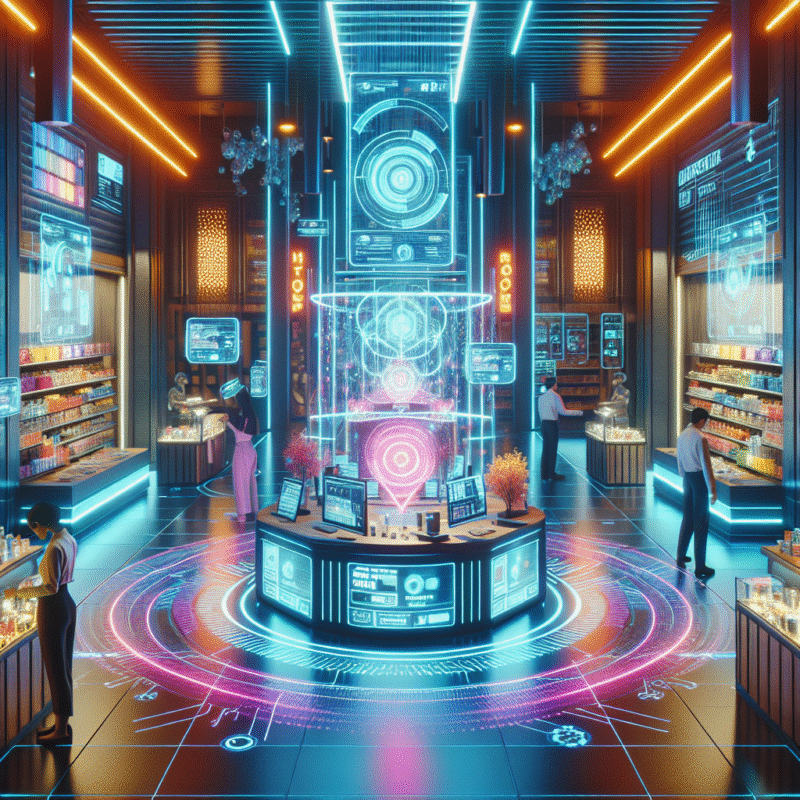
The Future of Creative Commerce: QYRONY’s 2026 Vision


As we step into a new era of creative commerce, the vision for 2026 promises to reshape how digital sellers, entrepreneurs, and creators engage with their audiences. The landscape is evolving rapidly, propelled by advancements in technology and consumer expectations. This article will dissect QYRONY’s innovative approach to the future of creative commerce and highlight actionable insights for anyone ready to thrive in this dynamic environment. Dive in as we explore the transformative potential that lies ahead!
1. Embracing AI Tools in Creative Commerce
Artificial Intelligence (AI) is revolutionizing the way we conduct digital business. By 2026, we can expect AI tools to become more integrated into everyday creative workflows. Imagine personalized customer interactions driven by sophisticated algorithms that analyze consumer behavior. For example, AI can recommend products, tailor marketing messages, and even automate customer service. As an entrepreneur, investing in these tools now could establish a competitive edge, paving the way for extraordinary growth and engagement.
2. The Role of Digital Products
In the world of creative commerce, digital products are set to soar in popularity. As more creators harness the power of technology, we can expect an influx of e-books, online courses, and software solutions. These products empower sellers to scale their businesses without the logistical headaches tied to physical inventory. Entrepreneurs should actively consider how they can create and market their unique digital offerings, ensuring they meet the demand of a growing digital marketplace.
3. Community Engagement and Collaboration
Collaboration among creators will be a vital component of the 2026 landscape. By fostering communities, brands can build rapport with their customers, enhancing loyalty and trust. Engaging with audiences through social media or forums can stimulate creativity and inspire co-creation. Think about launching platforms where feedback is actively encouraged, making your customers feel valued. This will not only strengthen your brand but also yield innovative products and services tailored to your audience’s preferences.
4. The Rise of Virtual and Augmented Reality
As technology advances, we can expect virtual and augmented reality (VR and AR) to play pivotal roles in creative commerce. Picture a shopping experience where customers can “try before they buy” in a virtual environment. By 2026, integrating VR and AR into your sales strategy can provide your customers with immersive experiences that increase engagement and satisfaction. Creators should explore ways to implement these technologies to stay ahead of the curve.
5. Sustainability and Ethical Practices
Sustainability will continue to be a significant concern for consumers by 2026. As they become more conscious of their purchases, brands that prioritize ethical practices will likely gain favor. This includes sourcing materials responsibly and adopting sustainable business models. Digital sellers should consider integrating sustainability into their brand values and marketing strategies. By doing so, you can attract a loyal customer base that values environmental responsibility.
6. The Importance of Data Analytics
Data analytics will become increasingly crucial for understanding market trends and consumer behavior. By 2026, leveraging data effectively will lead to informed decision-making and tailored marketing strategies. Entrepreneurs can utilize analytics tools to track customer interactions, preferences, and buying patterns. This data can directly inform your product development and promotional strategies, allowing you to meet the evolving needs of your audience.
7. Adapting to New Payment Technologies
As financial technologies evolve, new payment methods will emerge, shaping the future of transactions in creative commerce. By 2026, digital wallets, cryptocurrencies, and blockchain technology may become standard. Adopting these technologies can create a seamless purchasing experience for your customers, encouraging them to engage with your products. Sellers should stay informed and be prepared to integrate these payment options to enhance convenience and security for their buyers.
8. Continuous Learning and Growth
Finally, the fast-paced nature of creative commerce necessitates a commitment to continuous learning. Whether it’s mastering new technologies, understanding marketing trends, or honing your product development skills, staying educated is vital. By 2026, organizations that prioritize training and professional development will likely outperform their competitors. Establish a culture of learning within your business to keep innovating and adapting.
In conclusion, the future of creative commerce holds immense potential for those who are willing to embrace change. By implementing AI tools, focusing on digital products, and fostering community engagement, you can position yourself for success in 2026 and beyond. As the landscape evolves, remember to adapt and learn continuously. For more insights into enhancing your digital business, visit QYRONY.com today!
FAQs
- What is QYRONY? QYRONY is a global digital marketplace offering a wide variety of AI tools and products for sellers and creators.
- How can I start with digital products? Begin by identifying your skills or passions, then create a digital product that addresses a need in the market.
- Why is AI important in commerce? AI enhances customer interactions, automates processes, and provides insights that can drive sales and engagement.
- What are good examples of digital products? Popular options include online courses, e-books, software applications, and subscription-based services.
- How can I remain competitive in 2026? Stay informed about technology trends, prioritize customer engagement, and continually refine your offerings to meet market demands.